The boilr Agent is live Read now→

The sales cycle is the clock you race.

Compress it and you win more at once.

The sales cycle is the span from first outbound touch to signed terms of business or a first job order. Every account runs one. The agencies that bill the most are rarely working harder, they are running a shorter one.

recruiter-lexikon / sales-cycle
S
Sales cycle
Sales cycle
Defined
Definition

The time and stage sequence from first outbound touch on a target account to signed terms of business or a first job order, the baseline BD timeline every agency tries to compress.

At a glance
Term Sales cycle
Used for Measuring and compressing BD timelines
In boilr Early stages automated, you start mid-cycle
b
boilr turns this term into a task
Defined here · operationalised by your AI employee

Sales cycle, explained for the desk.

What it is, why it matters, and how your AI employee runs it.

What it is

A sales cycle is the sequence of stages, and the time it takes, to move a target account from first outbound touch to signed terms of business or a first job order. In recruitment it usually runs through targeting, first contact, a qualifying conversation, a proposal or terms discussion and finally a signature. Some cycles run in days, when a hot signal lands on a warm relationship. Others run over months, when a cold account needs to build trust before it will commit.

A sales cycle is not the same thing as time-to-fill. Time-to-fill measures the candidate side of a role, from brief to start date. The sales cycle measures the commercial side: how long it takes to earn the right to work that role in the first place. A desk can have a fast time-to-fill and a slow sales cycle, or the reverse, and the two numbers get confused more often than they should.

A shorter sales cycle does not mean working faster. It means spending fewer of the stages on something a human has to do.

Why it matters

A shorter sales cycle means more capacity from the same hours. If a desk's typical cycle runs eight weeks, halving it does not just feel faster, it roughly doubles the number of accounts a consultant can be actively winning at once. Every week an account spends stalled mid-cycle is a week it generates no revenue, and a week a competitor gets to arrive first.

Most consultants cannot actually state their own average cycle length, let alone where it runs longest. Without that number, it is impossible to tell whether the bottleneck is targeting the wrong accounts, a slow first response, a weak follow-up cadence or a proposal stage that drags. The sales cycle is the one metric that makes the whole BD motion diagnosable instead of just busy.

How boilr handles it

boilr compresses the early stages of the cycle, the mechanical ones rather than the relational ones. The agent applies your ICP to find and enrich the right accounts, watches for the buying signal that makes the timing right and drafts outreach that references it, so a consultant's part of the cycle often starts at a qualified conversation rather than a cold introduction. The stages that genuinely need a human, negotiating terms, building trust, closing, stay with the consultant.

Because every account, touch and outcome lives in the Company Brain, the cycle becomes measurable rather than a feeling. The agency can see which accounts are stalling, which signals produce the fastest cycles and which approaches actually shorten the path to signed terms, and that knowledge compounds across the desk instead of leaving with whichever consultant learned it.
Questions, answered.

Everything a working consultant asks about sales cycle, and how boilr puts it to work.

What is the difference between a sales cycle and a BD pipeline?

A sales cycle is the time and stage sequence a single account runs through from first touch to signature. A BD pipeline is the aggregate view across every account at once. One account's sales cycle length feeds the overall health of the pipeline, but the two terms describe different levels of the same motion.

How long should a recruitment sales cycle be?

There is no universal benchmark. Length depends on sector, deal size and whether you are chasing a cold account or a signal-timed one. What matters more than the absolute number is tracking your own and watching whether it is getting longer or shorter, and at which stage most of that change happens.

What usually makes a sales cycle longer than it needs to be?

Three things most often: targeting accounts that were never a good fit, slow or inconsistent follow-up after the first touch, and a terms-of-business negotiation that drags because the client was never properly qualified earlier in the cycle. Fixing the earlier stage usually shortens the later one too.

Does a shorter sales cycle mean lower-quality clients?

Not if the compression comes from better timing rather than less diligence. A cycle that starts on a strong buying signal and reaches a decision-maker who is already looking to hire closes faster because the fit and timing were right from the start, not because anyone skipped qualification.

How does boilr use the sales cycle in practice?

boilr shortens the stages before the first real conversation: finding the right account, catching the signal that makes the timing right, and drafting an opener that reflects it. You pick up the cycle from there, verify and send the task, and the Company Brain keeps a record of how long each account's cycle actually took, so the desk can see where it is winning time and where it still stalls.

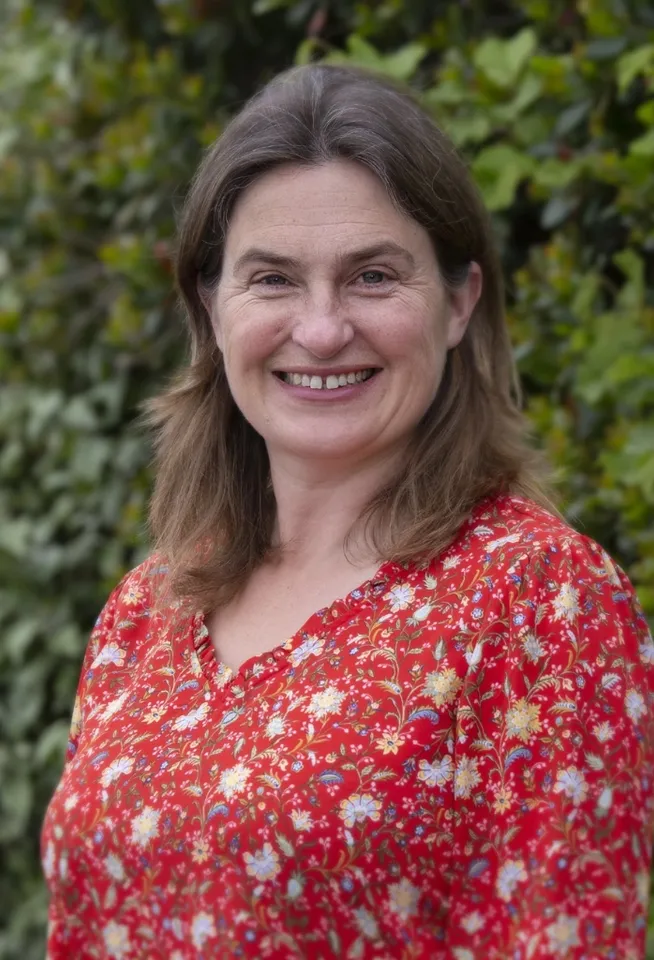
Helen Wright
Boilr gave us the BD structure and follow-up support to sign our first client and secure a job brief in under a month.
Helen Wright
Managing Director, 923 Jobs

Run a shorter sales cycle on every account.

boilr automates the targeting and outreach stages of the cycle so you start closer to a signed deal. One AI sales employee per consultant, compressing the BD timeline that actually bills.