The boilr Agent is live Read now

AI adoption is a practice, not a purchase.

A licence nobody uses is not adoption.

Owning AI software and actually using it inside daily BD work are two different things. Adoption is the gap between the two, and it is the gap most agencies never close.

recruiter-lexikon / ai-adoption
A
AI adoption
AI adoption
Defined
Definition

The process by which a recruitment agency moves from owning AI software to actually using it in daily practice: piloted, built into real workflows and adopted across the desk, rather than left unused after the licence is signed.

At a glance
Term AI adoption
Used for Moving AI from licence to daily practice
In boilr Built into the desk, not a tool to configure
b
boilr turns this term into a task
Defined here · operationalised by your AI employee

AI adoption, explained for the desk.

What it is, why it matters, and how your AI employee runs it.

What it is

AI adoption is the process by which a recruitment agency actually integrates AI tools into its working practice: sourcing, enrichment, outreach drafting, reporting. It is not the same thing as procurement. Most agencies move through three stages: a pilot, where one consultant or a small team trials a tool on real work; workflow integration, where the tool sits inside the tasks a consultant already does rather than a separate app to open; and org-wide rollout, where it becomes standard practice across the desk, governed and measured rather than left to individual habit. Most tools never get past the first stage.

A seat count is not a usage rate. Plenty of agencies buy AI copilots, browser extensions and ChatGPT Team seats, and the actual usage stays confined to a handful of enthusiasts who bothered to learn the tool. Adoption is not about how capable a tool is on a demo call, it is about whether it is threaded into the way work actually gets done on the desk, by everyone, not just the person who championed the purchase.

Buying AI software is a purchase order. AI adoption is what happens after, if it happens at all.

Why it matters

Three failure modes show up again and again. Shelfware: licences the agency pays for that nobody opens after the launch week. Shadow AI: consultants reaching for personal, unapproved tools because the sanctioned one never fit the workflow or was never properly rolled out. No governance: nobody owns the rollout, there is no review process, and output quality swings depending on which consultant bothered to get good at the tool. Industry research on enterprise AI consistently finds that most initiatives stall in pilot and never reach production use across a team, and recruitment desks are not an exception.

When adoption stalls, the agency effectively pays twice: once for the licence, and again in lost consistency and quality control, because desk performance now depends on which individual happened to learn the tool rather than becoming something the agency itself can rely on. A tool that only half the desk uses is not a capability, it is a variable.

How boilr handles it

boilr is not sold as software a desk has to run a change-management project to adopt. It works inside the CRM, ATS and inbox a consultant already uses, Bullhorn, RecruiterFlow, Spott or otherwise, so there is no separate app to log into and configure before anyone gets value from it. Rollout happens consultant by consultant: one AI sales employee per person, governed by human-in-the-loop review, with the Company Brain sharing what works across the whole desk instead of adoption depending on any one person's willingness to learn a new tool.

Because every task is logged and reviewed, adoption is measurable from day one. The agency can see how many tasks are actually being verified and sent, not guess whether the licence is being used. That turns AI adoption from a project with a rollout plan into simply how business development gets done.
Questions, answered.

Everything a working consultant asks about ai adoption, and how boilr puts it to work.

What is the difference between buying AI and adopting AI?

Buying AI is a purchase order: a licence, a seat count, a demo that looked good. Adoption is whether that tool actually gets used inside real work, day after day, by more than the one enthusiast who championed it. A recruitment agency can own a dozen AI licences and still have zero AI adoption if none of them are threaded into how consultants actually source, enrich and send.

What are the typical stages of AI adoption at a recruitment agency?

Most agencies move through three stages: a pilot, where one consultant or a small team trials a tool on real work; workflow integration, where the tool sits inside the tasks a consultant already does rather than a separate app; and org-wide rollout, where it becomes standard practice across the desk, governed and measured rather than left to individual habit. Most tools never get past the first stage.

Why do so many AI tools end up as shelfware at recruitment agencies?

Shelfware happens when a tool is bought but never wired into the daily workflow: it demos well, gets a launch email, then sits unused because logging into a separate app is one more step than a consultant will take under deadline pressure. The fix is rarely a better tool, it is removing the extra step by integrating with the CRM, ATS or inbox the desk already lives in rather than adding a new tab.

How is shadow AI connected to failed AI adoption?

Shadow AI is usually what fills the gap a failed rollout leaves behind. When the sanctioned AI tool is clunky, poorly integrated or never properly explained, consultants under quota pressure reach for a personal ChatGPT account instead, because it is faster than the tool that was meant to replace it. Governed, well-integrated adoption is the actual fix, not a stricter policy against shadow AI on its own.

How does boilr use AI adoption in practice?

boilr is not rolled out as a tool a desk has to learn to adopt, it works inside the CRM, ATS and inbox a consultant already uses, so there is no separate login and no pilot-to-rollout gap to manage. Every consultant gets one AI sales employee from day one, every task is logged, and adoption is something you can see in the numbers verified and sent, rather than something you have to hope is happening.

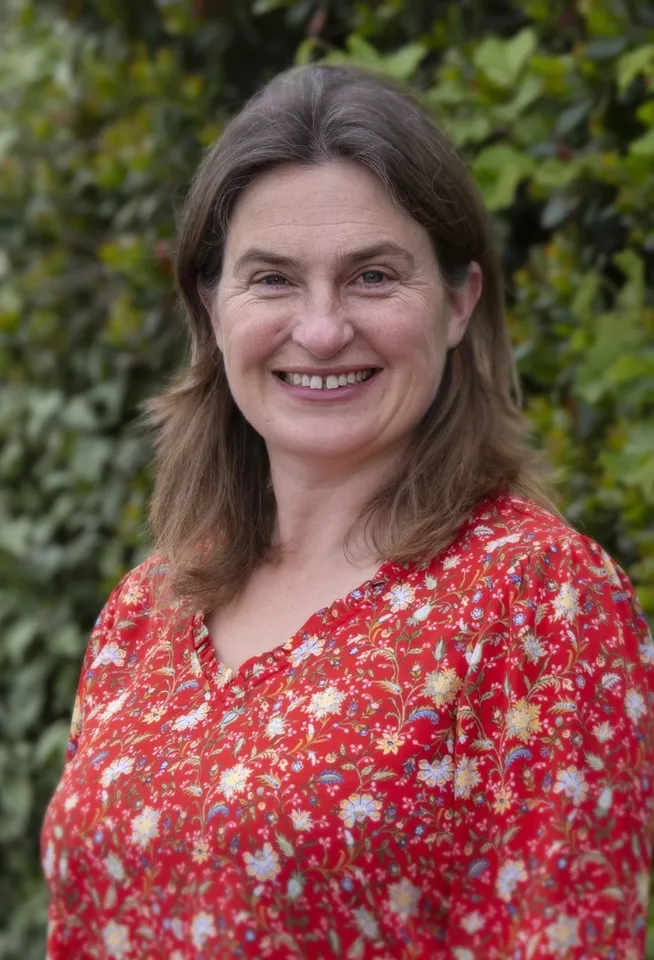
Helen Wright
Boilr gave us the BD structure and follow-up support to sign our first client and secure a job brief in under a month.
Helen Wright
Managing Director, 923 Jobs

Skip the pilot. Start with an employee that already works.

boilr does not need a rollout plan, it works inside your existing CRM and inbox from day one. One AI sales employee per consultant, adopted the moment they open their task inbox.